

6. Persistent abdominal bloating and gas
Bacterial fermentation of undigested food in the intestine produces excess gas. When pancreatic enzymes are deficient, carbohydrates and proteins aren’t broken down properly, resulting in chronic bloating that isn’t resolved by common intestinal remedies.
7. Yellowing of the skin and eyes (jaundice)
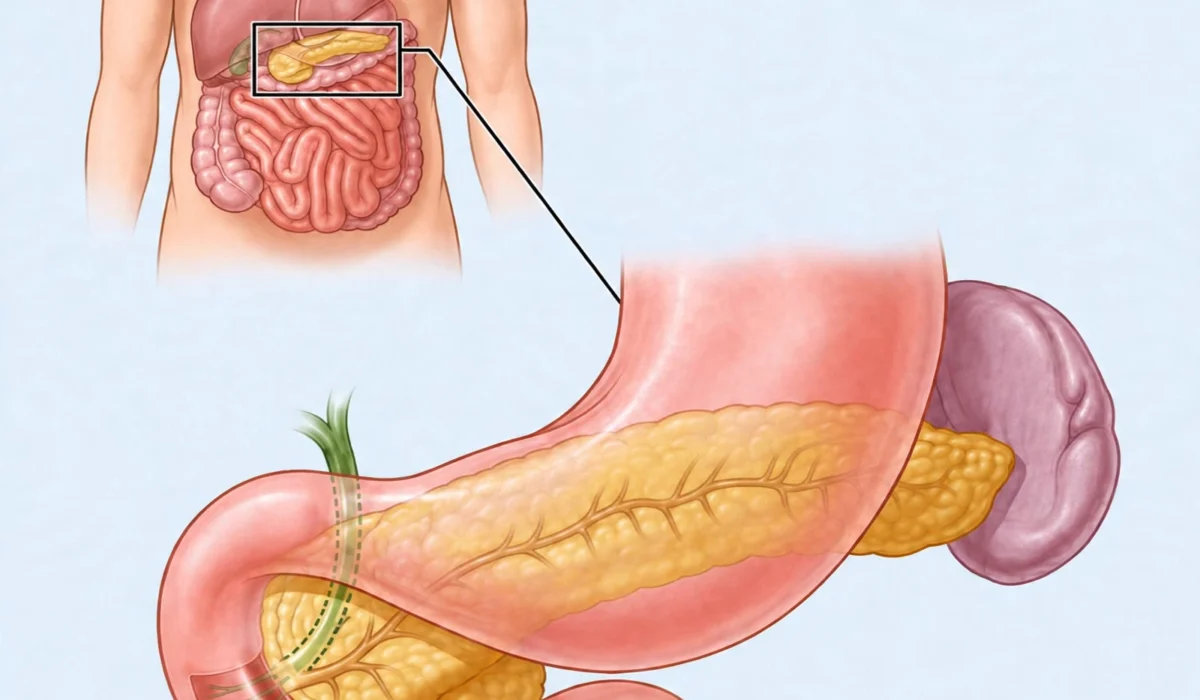
An enlarged or inflamed pancreas can compress the common bile duct, preventing bile from flowing properly to the intestines. Bile builds up in the blood and causes yellowing of the skin and eyes, and even darkening of the urine. This symptom requires urgent medical attention.
8. Chronic fatigue and difficulty concentrating
Malabsorption of essential nutrients—particularly fat-soluble vitamins A, D, E, K, and vitamin B12—leads to profound fatigue that doesn’t improve with rest. Unstable blood sugar levels exacerbate this condition, also causing cognitive difficulties, brain fog, and frequent mood swings.
How to take care of your pancreas with nature
Beyond recognizing symptoms, there are daily habits that can go a long way toward protecting and supporting this vital organ. Prevention remains the best strategy.
Turmeric every day
Curcumin has a powerful anti-inflammatory effect on pancreatic tissue. Add it to dishes with black pepper to increase its absorption by up to 2000%.
Anti-inflammatory diet
Focus on green leafy vegetables, legumes, whole grains, and oily fish. Eliminate refined sugars, fried foods, and alcohol—the pancreas’s three worst enemies.
Constant hydration
The pancreas requires water to produce pancreatic juice. Drink at least 1.5–2 liters a day, preferring low-sodium water or unsweetened herbal teas.
Stress management
Chronic stress increases cortisol, which destabilizes blood sugar and overloads the pancreas. Yoga, meditation, or even simple daily walks make a difference.
Page 2 of 2