

How to prepare it by optimizing its properties
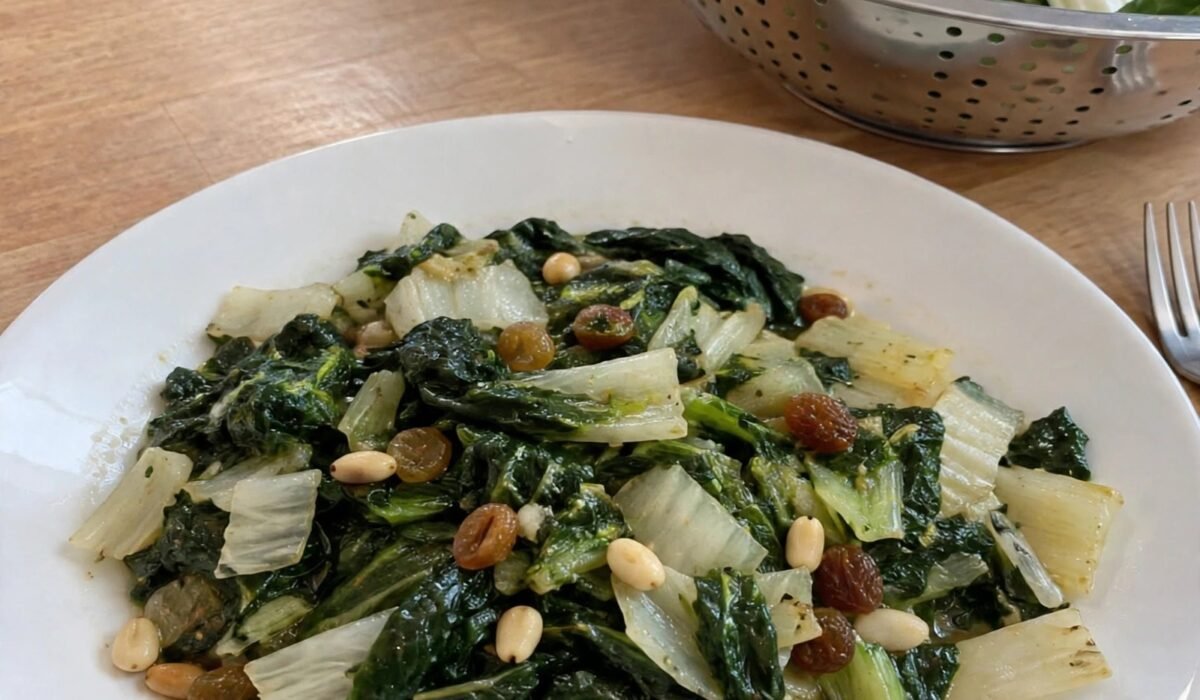
The ideal way to preserve its nutrients is by steaming or using a little water. The tender leaves can be eaten raw, while the thicker stalks are perfect blanched and then sautéed. It’s a versatile ingredient that lends itself to soups, fillings, side dishes, or light gratins.
Although it’s generally well-tolerated, those suffering from oxalate stones or taking anticoagulant medications should consume it in moderation. It’s best to choose fresh, firm leaves free of yellow spots, and use them promptly.
Why introduce it into the natural diet
Swiss chard combines lightness and nutritional richness, offering natural support for daily well-being. It’s economical, easy to cook, and ideal for those seeking a more balanced diet, in tune with nature’s rhythms.
Page 3 of 3