

We slip it into our bag without a second thought, we place it on the kitchen counter… Bananas are like a faithful companion to our breakfasts and those mid-afternoon energy slumps. Accessible, naturally sweet, easy to take anywhere. But here’s a question few of us ask ourselves: does a slightly green banana in the bowl have the same nutritional benefits as a perfectly ripe, golden one? And those speckled bananas we’re about to throw away… what if that was a mistake?

What really changes when a banana ripens
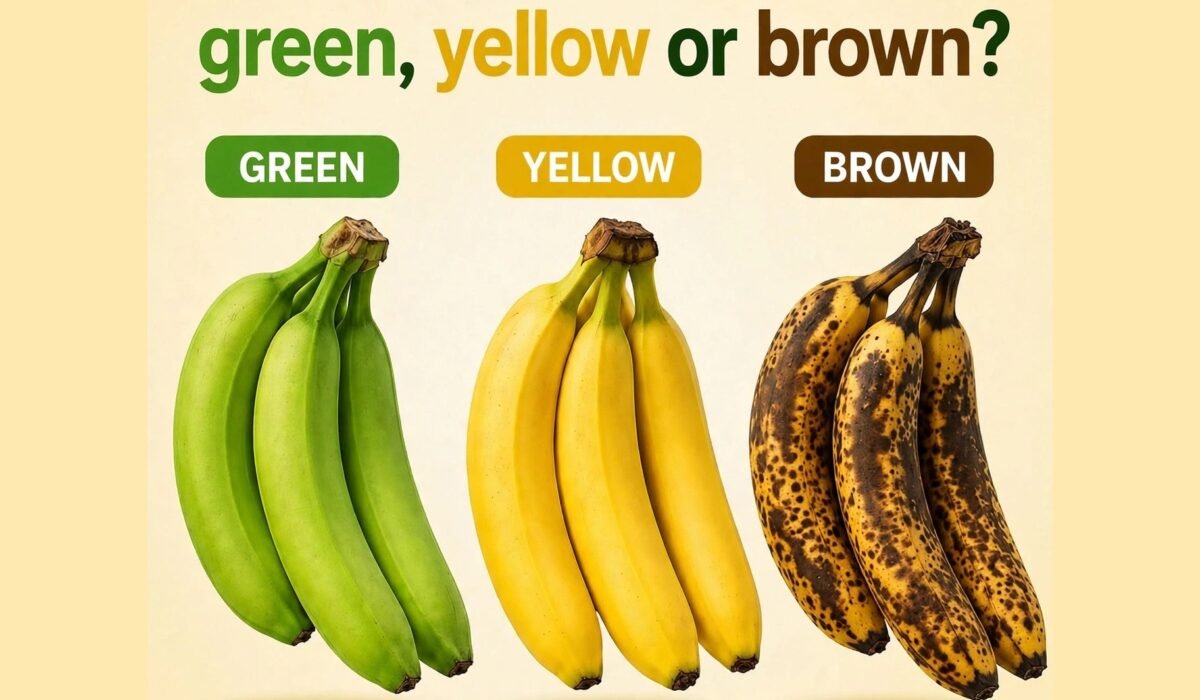
It all comes down to the chemical transformation that occurs over time. As it ripens, the resistant starch in a green banana gradually converts into natural sugars—glucose, fructose, and sucrose. The result: the texture becomes softer, the taste sweeter, and the way our body assimilates the fruit changes completely. Three stages, three distinct nutritional profiles.
Green bananas: an ally for digestion and satiety
It’s not the most glamorous fruit, that’s true. Its firm texture and slightly bitter taste can sometimes be off-putting. Yet, the green banana is a hidden gem. It’s packed with resistant starch, a type of fiber that escapes digestion in the small intestine and nourishes the beneficial bacteria in the colon. In practical terms? It keeps you feeling full longer, supports a healthy gut flora, and causes a much gentler rise in blood sugar. Ideal for those watching their blood sugar levels or trying to make it to lunchtime without snacking.
Page 1 of 2