

👩🍳Step-by-step preparation
1. Prepare the biscuit base
Start by crushing the 200g of biscuits into fine crumbs using a blender. You can also place them in a tightly sealed freezer bag and crush them with a rolling pin.
Pour the crumbs into a bowl and add the 90g of melted unsalted butter.
Mix thoroughly until you obtain a damp sand-like texture. The mixture should compact easily when you press it between your fingers.
Place a 20cm pastry ring on a serving plate. If you have a strip of acetate, place it inside the ring to make unmolding easier.
Spread the biscuit mixture evenly in the bottom of the mold. Press down firmly and evenly with the back of a spoon or the bottom of a glass to create a level base.
Place in the refrigerator for 30 minutes to allow the butter to firm up and the base to stabilize.
2. Prepare the gelatin
If you are using powdered gelatin, pour the 40 ml of cold water into a small container.
Gradually sprinkle the 8g of gelatin over the water, without mixing immediately. Let it bloom for 5 to 10 minutes until you obtain a thick, gelled mixture.
If you are using gelatin sheets, soak them in a large bowl of cold water for 5 to 10 minutes, then squeeze them thoroughly between your fingers.
Reserve the softened gelatin for later in the preparation.
3. Prepare the cream cheese and lemon mixture
In a large bowl, place the 400g of plain cream cheese. Add the 120g of sugar, the vanilla extract and the finely grated zest of two lemons.
Whisk at low speed until you obtain a smooth, creamy and homogeneous mixture.
Squeeze the lemons to obtain the required 100 ml of juice. Filter it if necessary to remove the seeds.
Gradually add the lemon juice to the cream cheese while mixing at low speed. Continue until the mixture is completely smooth.
4. Melt and stir in the gelatin
Gently melt the hydrated gelatin in the microwave in short bursts or in a double boiler. Stir until it becomes liquid and homogeneous, without ever letting it boil.
Take about two tablespoons of the cream cheese mixture and gradually mix it with the melted gelatin to temper it.
Then pour this mixture in a thin stream into the rest of the lemon cream, while whisking gently to distribute the gelatin evenly.
Important tip: avoid pouring gelatin directly into a very cold mixture. Tempering the mixture helps prevent the formation of small strands or gelled lumps.
5. Whip the cream
Place a mixing bowl and the whisk attachments in the refrigerator for a few minutes to chill them.
Pour the 250 ml of very cold full liquid cream into the bowl.
Whisk gradually until you obtain a soft and firm whipped cream. It should leave visible traces of the whisk while remaining smooth.
Avoid whipping it too stiffly: a slightly soft cream incorporates more easily and helps to maintain an airy mousse.
6. Gently fold in the whipped cream.
Add about a third of the whipped cream to the cream cheese mixture to loosen it up.
Then incorporate the rest in two batches using a flexible spatula.
Use gentle up-and-down movements, rotating the bowl, to maintain the full volume of the whipped cream.
Continue until you obtain a homogeneous, light and smooth mousse, with no visible traces of whipped cream.
7. Assemble the cake
Take the biscuit base out of the refrigerator. It should be firm and compact.
Carefully pour all the lemon mousse over the biscuit base.
Spread the mixture evenly using a spatula and smooth the surface carefully to obtain a very even finish.
Tap the mold very lightly on the work surface to distribute the mousse and eliminate any large air bubbles.
8. Let it set in the refrigerator
Cover the mold without touching the surface of the mousse and place it in the refrigerator for at least 6 hours.
For optimal stability and a clean cut, it is ideal to let the cake rest overnight.
This resting time is essential to allow the gelatin to stabilize the mousse and for the different textures to settle perfectly.
9. Unmold and decorate
Once the cake has set perfectly, gently run a thin, slightly warm blade along the edge of the cake if you did not use acetate.
Gradually remove the circle without pulling on the mousse in order to keep the edges smooth.
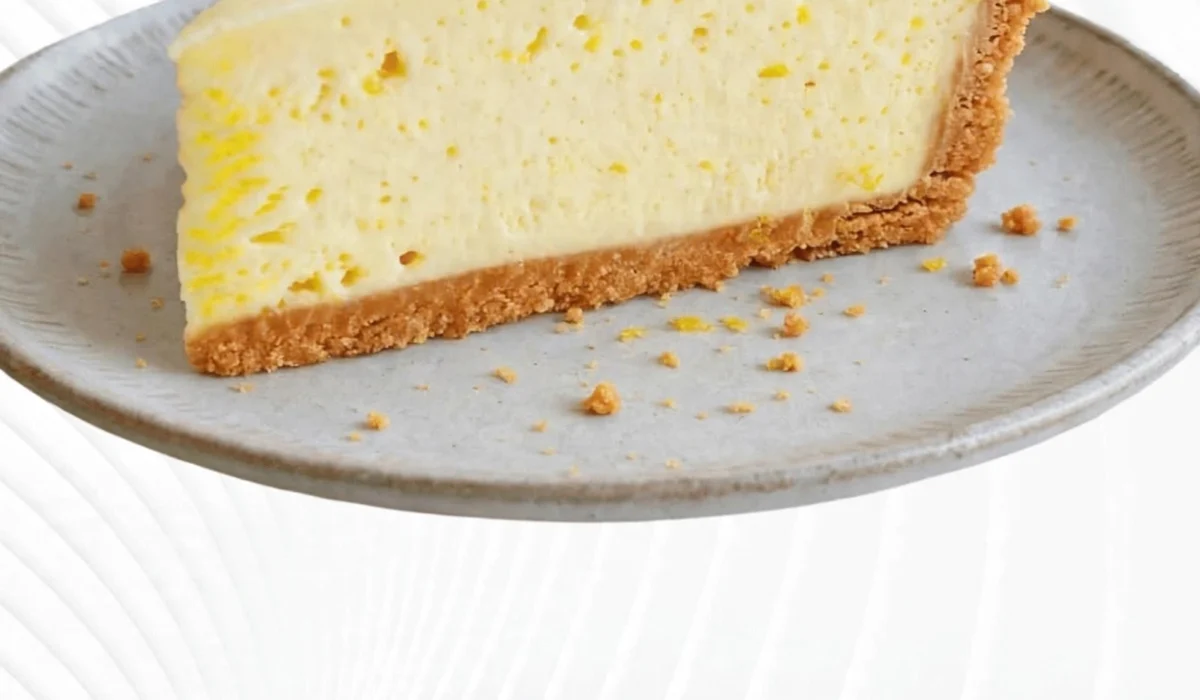
Decorate with the reserved lemon zest and the two tablespoons of crumbled biscuits.
You can also add a light dusting of icing sugar for a delicate finish, according to your preferences.
To get nice, even slices, use a knife that has been rinsed under hot water and then carefully dried between each slice.
🍋Gourmet tips: 4 tricks for perfect lemon desserts
No-bake lemon mousse cake is a fresh, light dessert that’s especially delightful after a good meal. To achieve a perfectly airy mousse, a melt-in-your-mouth texture, and a delicately tangy flavor, a few preparation tips make all the difference. Here are four tips for perfect lemon desserts and a beautiful, professional-looking finish.
Page 2 of 2