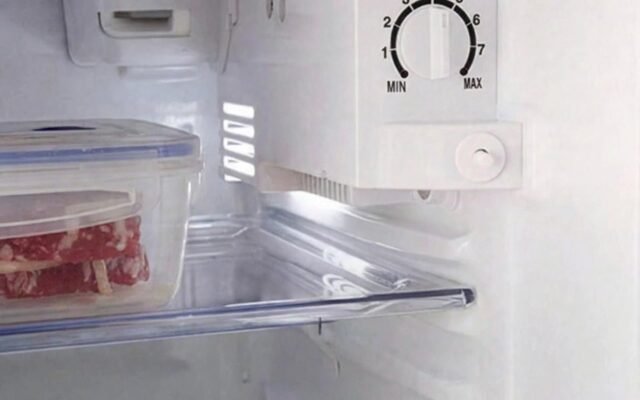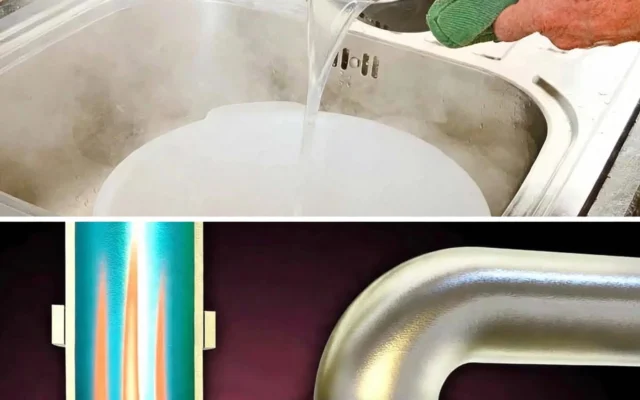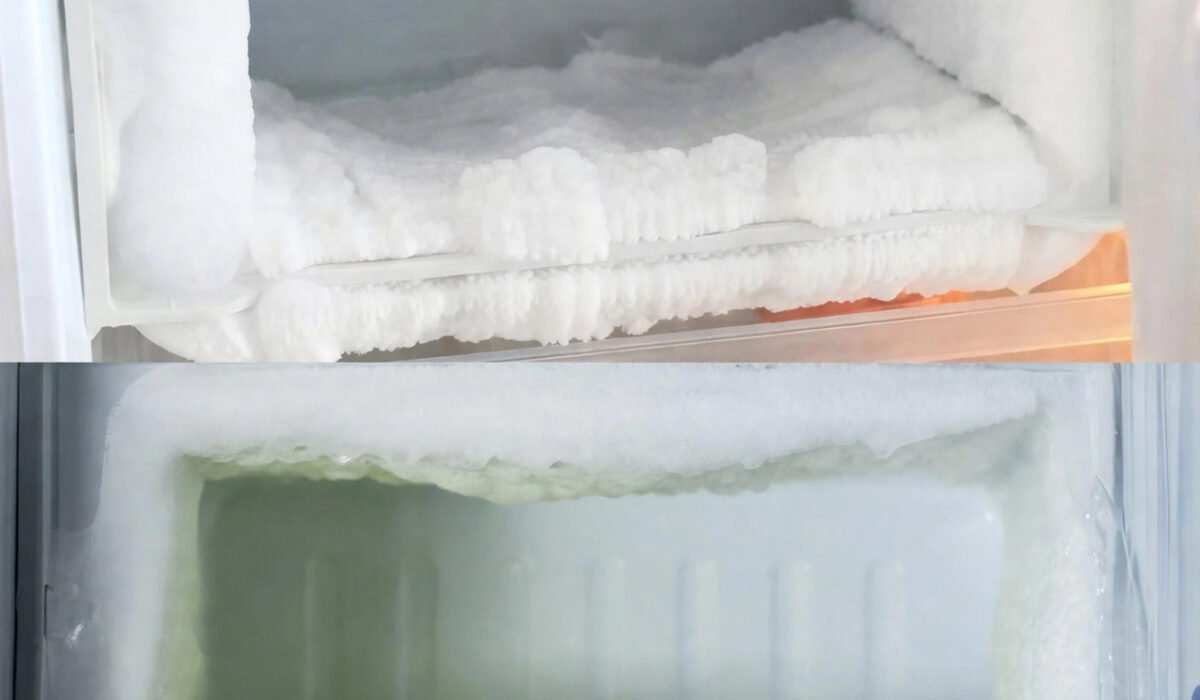


An iced-up freezer is like an overly thick coat: it prevents everything from breathing properly. The appliance consumes more energy, food doesn’t keep as well, and more and more ice builds up. Despite this, we often postpone defrosting for fear of having to unplug everything and empty the freezer. The good news: there’s a simple and effective method to remove ice without turning off the power or thawing your food.
Why is regular defrosting necessary?
A little frost may seem harmless, but it can quickly turn your freezer into a real energy hog. And the consequences don’t stop there.
-
excessive energy consumption
As soon as a thin layer of ice forms – about 3 to 4 millimeters – power consumption can increase by up to 30%. The motor has to work harder to maintain the temperature, which causes wear and tear on the appliance and increases the electricity bill.
-
Risk of overheating
The more frost accumulates, the more difficult it becomes for the engine to circulate cold air. This strain can sometimes lead to overheating, reducing the efficiency of the cooling system and accelerating wear. In the long term, this can even result in premature failure.
-
Less secure food storage
When ice blocks ventilation, the temperature becomes uneven. Some foods remain frozen, others don’t. The result: incomplete preservation and an increased risk of food waste.
How often should you defrost?
Continue Reading
Page 1 of 3
Page 1 of 3
Related Posts