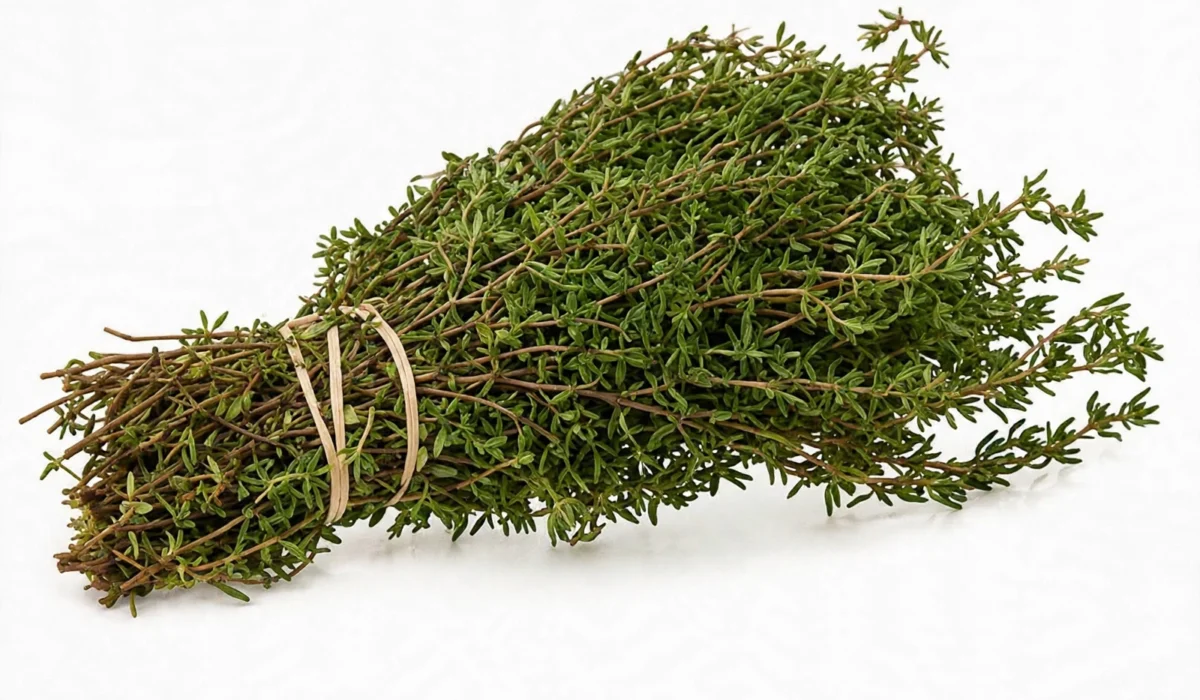


But be careful: oregano oil is highly concentrated. It should never be used undiluted, always diluted in a carrier oil such as olive oil. It should only be used in short courses—five days maximum—to avoid disrupting the natural balance of the gut flora. And if you are pregnant or allergic to plants in the mint family, it’s best to avoid it.
Bearberry: the specialist in urinary comfort
Less well-known to the general public, bearberry (or Uva ursi) has nevertheless been used for centuries to support urinary tract health. Its active ingredient, arbutin, is transformed in the body into a compound with antibacterial properties that acts directly on the urinary tract.
The European Medicines Agency recognizes its traditional use for mild urinary discomfort. This is significant. However, many experts believe that modern clinical evidence is still insufficient to make it a standard treatment.
Another important point: bearberry is only for very short-term use, a maximum of two weeks. It is not recommended for children, pregnant or breastfeeding women, or people with liver or kidney problems. Prior medical advice is essential.
The key takeaways
These plants aren’t miracle cures, but they’re not mere placebos either. They deserve to be taken seriously—as do the precautions that accompany their use. Oregano oil stands out with the strongest scientific evidence on both counts. Bearberry remains an interesting traditional option, especially for specifically targeting urinary comfort.
What nature offers us can be precious, provided we approach it with discernment, not naivety. Before taking any supplements, consulting your doctor or pharmacist remains the best course of action.
Nature is a formidable ally — provided we listen to it intelligently.